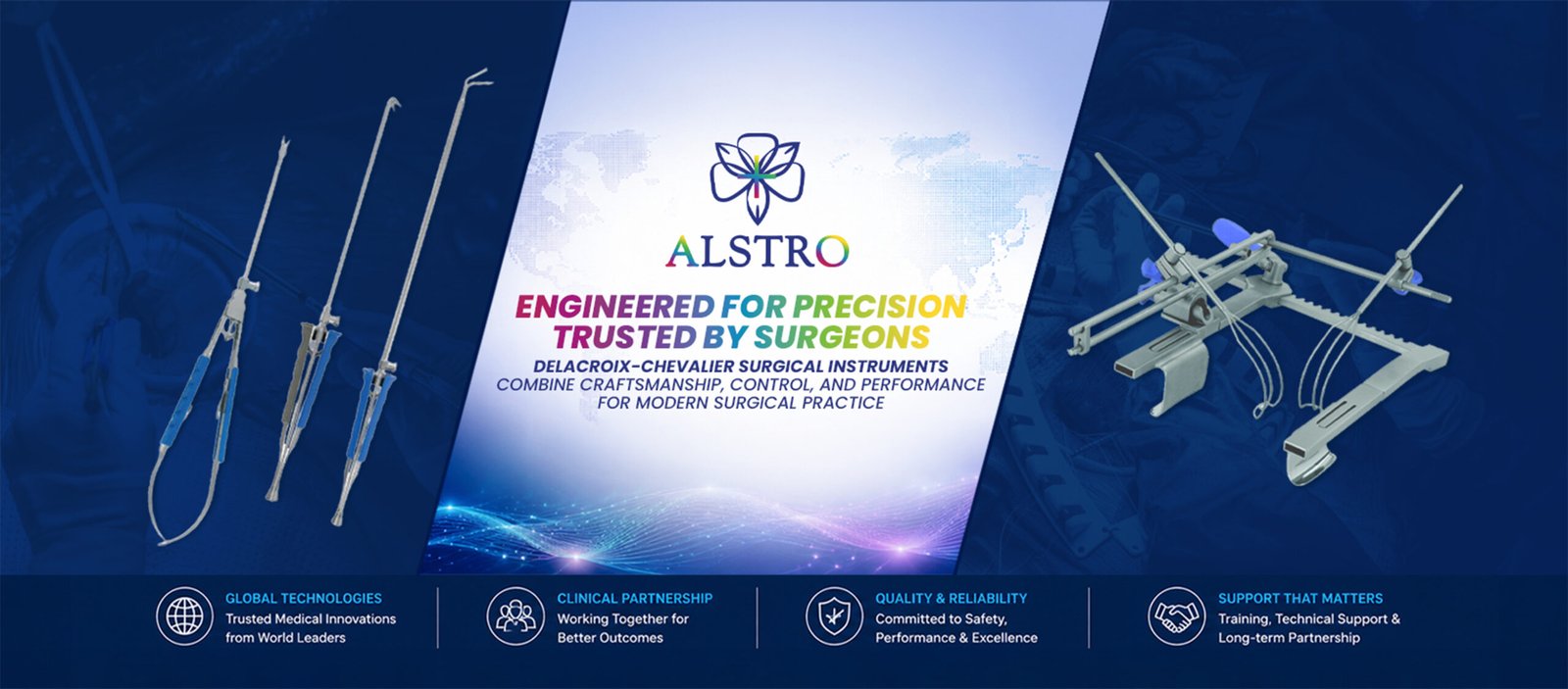
Cardiac surgery is one of the most complex and technically demanding fields in modern medicine. Whether performing valve repairs, bypass procedures, or other cardiovascular interventions, surgeons rely on exceptional skill, experience, and precision to achieve successful outcomes. While surgical expertise remains at the center of every procedure, the instruments used in the operating room also play an important role in supporting accuracy, control, and efficiency.
As cardiac surgery continues to evolve, specialized surgical instruments have become increasingly important in helping surgeons navigate complex procedures and challenging anatomical structures. Purpose-built instrumentation is designed to support surgical workflows, improve access, and provide the precision required for modern cardiovascular procedures.
The Importance of Specialized Surgical Instruments
Unlike general surgical procedures, cardiac surgery involves operating around delicate structures such as coronary arteries, heart valves, and major blood vessels. These procedures often require precise movements within confined spaces, making instrument design an important consideration.
Specialized surgical instruments are developed specifically to address these challenges. Features such as ergonomic handles, optimized lengths, refined tip designs, and procedure-specific functionality help support surgical precision and control. By providing improved access and maneuverability, these instruments contribute to a more efficient operating environment.
As healthcare institutions continue to adopt advanced surgical techniques, access to high-quality specialized instrumentation has become an essential component of modern cardiac care.
Supporting Precision Through Instrument Design
Precision in cardiac surgery begins long before a procedure takes place. Instrument design is a critical factor that influences how surgeons interact with tissues, access surgical sites, and perform delicate maneuvers.
Specialized cardiac instruments are engineered to help surgeons maintain control while working in complex surgical environments. Retractors, forceps, clamps, needle holders, and other procedure-specific instruments are carefully designed to support visibility, access, and handling characteristics.
Even subtle improvements in balance, grip, and ergonomics can contribute to a more comfortable and efficient surgical experience, particularly during lengthy procedures where consistency and control are essential.
The Growing Role of Minimally Invasive Cardiac Surgery
The increasing adoption of minimally invasive cardiac surgery has further highlighted the importance of specialized instrumentation. Smaller incisions and advanced surgical techniques require instruments capable of delivering precision while operating through limited access points.
To meet these demands, manufacturers continue to develop innovative instruments specifically designed for minimally invasive procedures. These solutions help surgeons maintain visibility, reach, and dexterity while reducing the challenges associated with operating through smaller surgical openings.
As minimally invasive approaches become more common, specialized instrumentation will continue to play a vital role in supporting procedural efficiency and surgical confidence.
Innovation Through Surgeon Collaboration
One of the most important aspects of modern surgical instrument development is collaboration with healthcare professionals. Many leading manufacturers work closely with surgeons to understand procedural challenges and develop solutions that address real-world clinical needs.
This collaborative approach helps ensure that instruments are not only technically advanced but also practical and effective in everyday surgical settings. By incorporating feedback from experienced surgeons, manufacturers can continuously refine instrument design and functionality to support evolving surgical techniques.
Innovation in cardiac surgery is not limited to new technologies and procedures—it also includes the ongoing development of instruments that help surgeons perform at their best.
Delacroix-Chevalier’s Contribution to Cardiac Surgery
Through partnerships with globally recognized medical technology companies, Alstro MedTech helps healthcare providers access specialized surgical solutions designed for modern clinical practice. One such partner is Delacroix-Chevalier, a French manufacturer with more than a century of experience in developing precision surgical instruments.
Known for its expertise in cardiovascular, thoracic, vascular, and minimally invasive surgery, Delacroix-Chevalier has built a reputation for quality craftsmanship and surgeon-focused innovation. Its portfolio includes specialized retractors, clamps, forceps, needle holders, and other surgical instruments developed to meet the unique requirements of complex procedures.
By focusing on precision, ergonomics, and collaboration with leading surgeons, Delacroix-Chevalier continues to support advancements in modern cardiac surgery.
Healthcare professionals interested in learning more about Delacroix-Chevalier’s specialized surgical instrumentation can explore the portfolio available through Alstro MedTech: https://alstromedtech.com/delacroix-chevalier/
Alstro MedTech’s Role in Advancing Surgical Innovation
The adoption of advanced surgical technologies requires more than access to products alone. Healthcare institutions also benefit from working with trusted partners who understand the clinical environment and the evolving needs of surgeons.
Alstro MedTech plays an important role in connecting healthcare providers with globally recognized innovations that support modern surgical practice. By bringing advanced technologies and specialized surgical solutions to healthcare institutions, the company contributes to the continued advancement of precision-driven healthcare.
Through partnerships with leading international medical technology companies, Alstro MedTech helps support healthcare professionals in accessing solutions designed to meet the demands of today’s operating rooms.
Conclusion
As cardiac surgery continues to advance, specialized surgical instruments remain a critical component of modern surgical practice. Purpose-built instrumentation supports precision, control, visibility, and efficiency, helping surgeons navigate increasingly sophisticated procedures with confidence.
Manufacturers such as Delacroix-Chevalier continue to contribute to the evolution of cardiac surgery through specialized instrument design and surgeon-focused innovation. By connecting healthcare providers with globally trusted technologies like Delacroix-Chevalier, Alstro MedTech helps support the adoption of advanced surgical solutions that meet the growing demands of modern cardiac care.
As healthcare continues to evolve, the combination of surgical expertise, innovation, and specialized instrumentation will remain essential in supporting the future of precision cardiac surgery.